How to Make Textured Paint and Use It for Stunning Wall Finishes?
If you’ve ever walked into a room and felt like the walls had more character than just flat color, chances are you were looking at a textured wall paint finish. As a professional painter, I’ve had many homeowners ask me how to get that same look in their own space and whether it’s something they can try or should leave to a pro.
The truth is, creating texture with paint can completely change how a room feels. It adds depth, hides small imperfections, and gives your walls a custom look that standard paint just can’t match. Let me walk you through how to make textured paint, how I apply it, and how you can decide if it’s the right fit for your home.
What Is Textured Paint and Why Do People Use It?
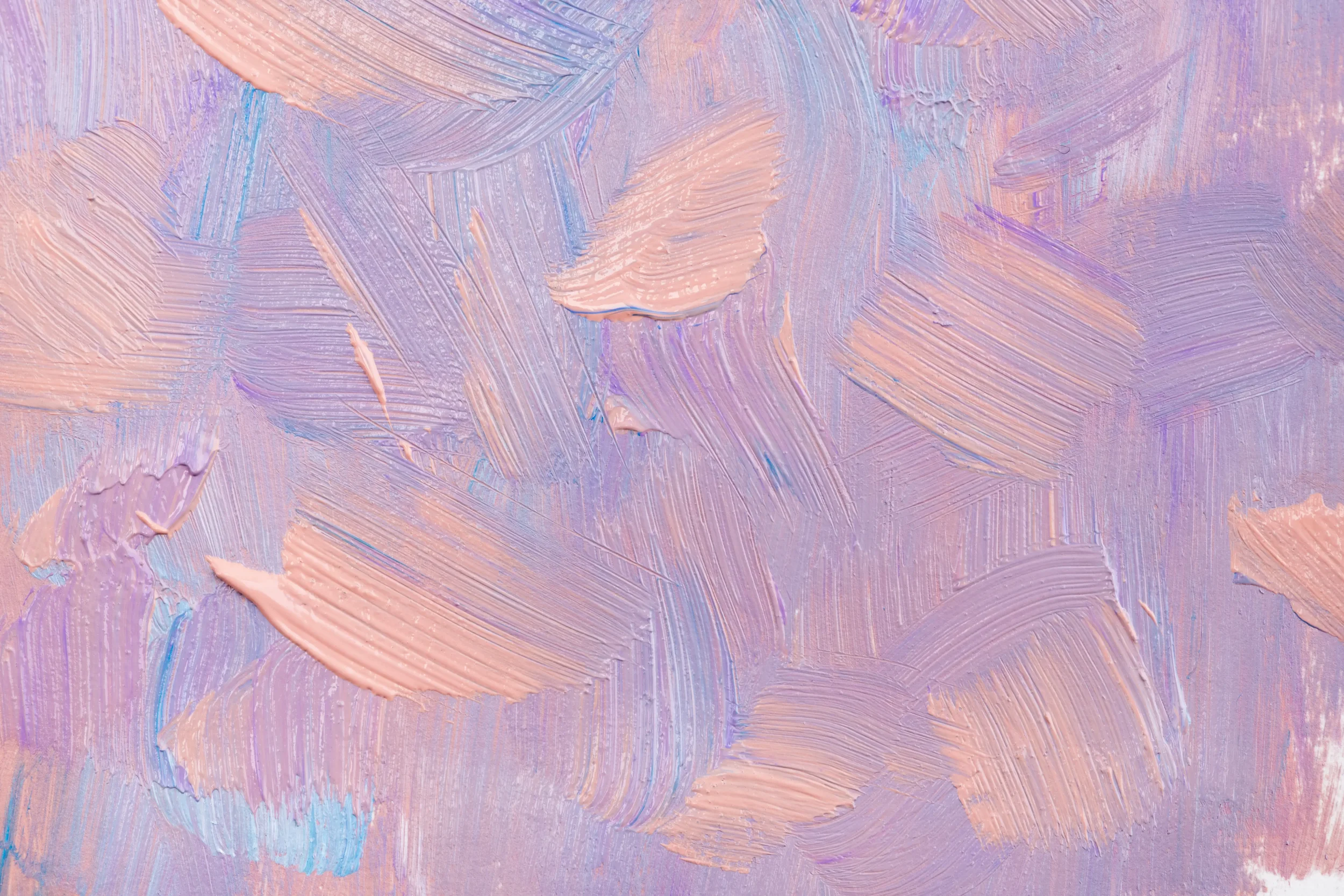
At its core, paint texture is exactly what it sounds like: paint that has been altered or applied in a way that creates a raised or patterned surface. Instead of a smooth wall, you get something with dimension that catches light differently throughout the day.
According to “Everything You Need to Know About Textured Paint Finishes” by Kelsey Mulvey (House Beautiful), textured paint is widely used to add depth, character, and visual interest to a room while also helping camouflage surface imperfections, making it both a design and practical solution for homeowners.
I often recommend texture paint for walls when a surface has minor flaws. Small dents, patches, or uneven drywall can stand out with flat paint, but texture helps disguise those imperfections. It’s also a great way to add personality without relying on bold colors.
There are many styles out there, from light orange peel to heavier knockdown finishes. Some homeowners even use textured ceiling paint to refresh older ceilings that have seen better days. I’ve also worked on projects using textured concrete paint, which is great for basements or modern-style interiors where you want a raw, industrial look.
Another option people ask about is textured spray paint. This can be useful for small areas or touch-ups, but for full walls, I usually stick with roller or trowel techniques for better control and consistency.
How to Make Textured Paint at Home
Let’s get into the big question: how to make textured paint yourself. I’ll be honest there are a few ways to do it, and the method you choose depends on the look you want.
The simplest way is to mix standard paint with an additive. These can include sand, joint compound, or even baking soda in small DIY projects. Each material changes the feel of the finish. Sand gives a gritty surface, while joint compound creates a thicker, more dramatic texture.
When I’m working on a client’s home, I usually go with joint compound because it gives me more control over the final look. I mix it with paint until I get a consistency that spreads easily but still holds shape.
Here’s what I keep in mind while mixing:
The thicker the mix, the more noticeable the texture
Too much additive can make application difficult
Consistency should be similar to pancake batter for most finishes
If you’re trying this for the first time, test it on a small board before applying it to your wall. That way, you can see how the paint texture looks once it dries.
Techniques I Use for Stunning Textured Wall Finishes
Once the paint is ready, the real magic happens during application. There isn’t just one way to do this; different tools create completely different looks.
Roller Texture
This is one of the most common methods I use when painting a textured wall. A thick-nap roller helps apply the paint evenly while leaving behind a subtle pattern. It’s a great option if you want something simple but still noticeable.
Knockdown Texture
For a more dramatic finish, I apply the texture and then lightly smooth it with a drywall knife. This creates a layered effect that looks natural and slightly weathered.
Brush and Sponge Techniques
Sometimes I use brushes or sponges to dab or sweep the paint across the wall. This creates unique patterns that feel more artistic.
Spray Application
In some cases, I use textured spray paint or professional spray equipment for even coverage. This works well for ceilings or large surfaces where consistency matters.
Each method gives a different result, so I always talk with homeowners first to understand what style they’re going for.
How to Paint Textured Walls the Right Way
Now let’s flip things around. What if your walls are already textured? Knowing how to paint textured walls is just as important as creating the texture itself.
The biggest mistake I see is using the wrong tools. A standard roller won’t reach into all the grooves of a textured surface. I always use a thicker roller cover to make sure the paint gets into every part of the wall.
Prep also matters. Dust and dirt tend to collect in textured surfaces, so cleaning is a must before painting. If you skip this step, the paint may not stick properly.
When I’m painting a textured wall, I usually apply two coats to get full coverage. The first coat fills in the surface, and the second evens everything out.
If you’re working on ceilings, textured ceiling paint is often thicker and designed to reduce drips. That makes it easier to work overhead without creating a mess.
Where Textured Paint Works Best
From my experience, textured finishes work best in certain areas of the home. Living rooms, accent walls, and entryways are great spots where texture can stand out.
I’ve also used texture paint for walls in hallways where scuffs and marks are more likely. The texture helps hide wear and keeps the walls looking cleaner over time.
For outdoor or tougher surfaces, textured concrete paint can add both durability and style. It’s a solid choice for patios, garages, or feature walls.
That said, not every room needs texture. Bedrooms and smaller spaces often look better with smoother finishes to keep things feeling open and calm.
Is Textured Paint Right for Your Home?
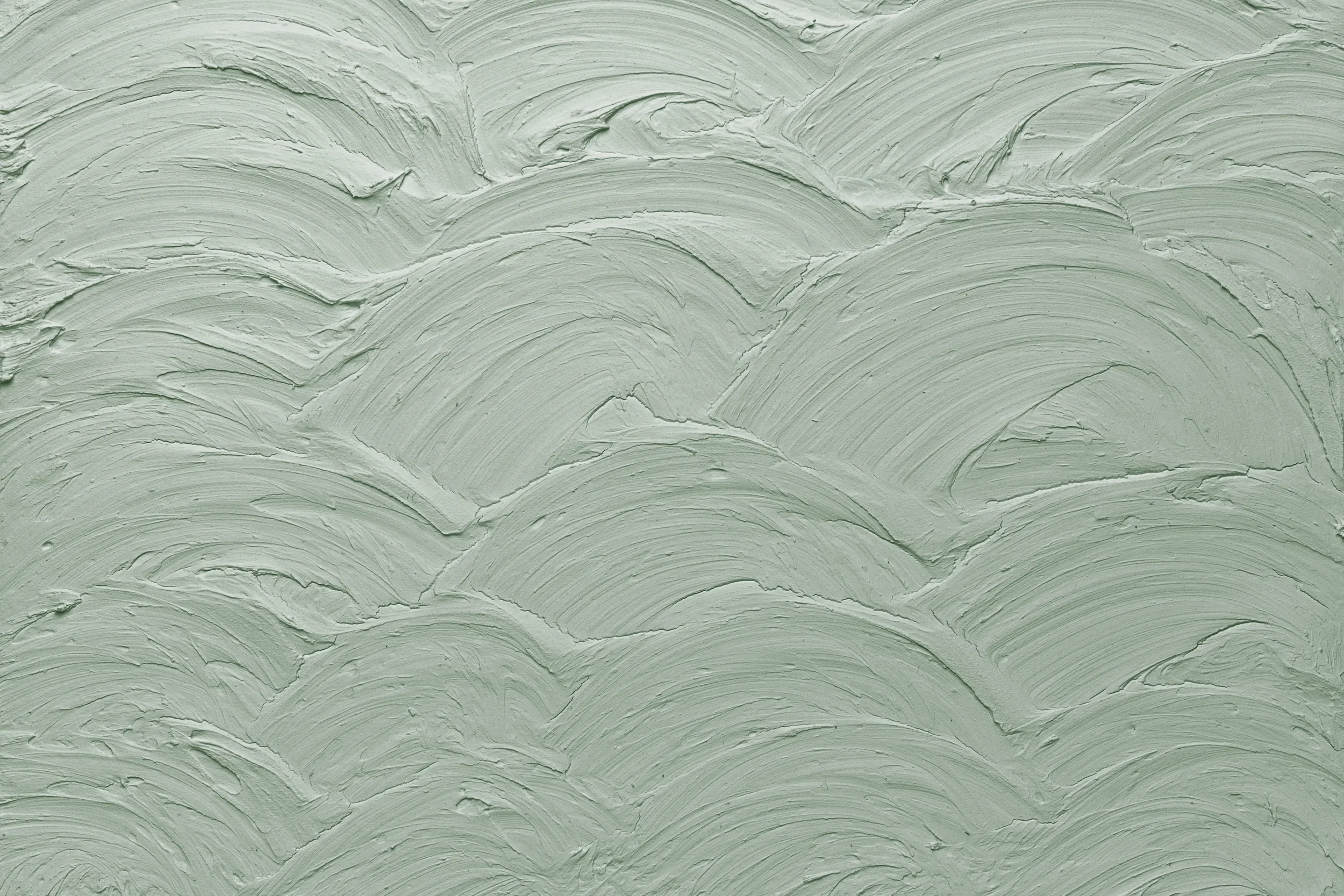
This is something I always discuss with clients before starting a project. Textured wall paint can look amazing, but it’s not for everyone.
If you like a clean, modern look, smooth walls might be a better fit. Texture adds visual weight, which can make a space feel more detailed but also slightly busier.
Another thing to consider is future changes. Removing texture or smoothing it out later takes extra work. That’s why I always suggest choosing a style you’ll be happy with for years.
On the plus side, textured finishes are durable and great at hiding imperfections. If your walls aren’t perfect, this can be a smart solution that saves time and effort.
Ready to Upgrade Your Walls?
If you’re thinking about trying how to make textured paint or want a professional finish that stands out, I’m here to help. At Stephen Radl Painting, I work closely with homeowners to create finishes that match their style and hold up over time.
From choosing the right texture paint for walls to applying it with the right technique, I make sure every detail is handled properly. Whether you want a subtle texture or something bold, we can bring your vision to life.
Reach out today, and let’s talk about your next painting project.
FAQs
How to paint a wall and make it look textured?
To create a textured look, you can use thicker paint mixtures or apply paint with tools like rollers, brushes, or sponges. Techniques like knockdown or stippling help build visible paint texture.
Is textured paint good for walls?
Yes, textured wall paint is great for hiding imperfections and adding depth. It’s also durable and works well in high-traffic areas.
How to make a textured paint finish?
You can create a textured finish by mixing paint with additives like sand or joint compound. Then apply it using different tools to achieve the desired look.
What is the name of the textured painting technique?
Common techniques include knockdown, orange peel, stippling, and sponge painting. Each one creates a unique paint texture.
What to mix with paint to make it textured?
You can mix sand, joint compound, or other additives into paint to create texture paint for walls. The choice depends on how heavy or subtle you want the texture to be.