2026 Exterior Paint Trends: Fresh Color Ideas for South Bay, California Homes
As 2026 approaches, exterior repainting is becoming a priority for many California homeowners and property managers. The exterior of a home or building is often the first thing people notice, and real estate studies consistently show that curb appeal plays a major role in buyer perception and property value. In fact, exterior improvements are frequently ranked among the highest-return home upgrades, especially in competitive markets like the South Bay. A well-maintained exterior can influence first impressions within seconds and help a property feel more cared for, updated, and appealing.
In regions such as the South Bay of California, where coastal breezes, steady sunshine, and mild temperatures shape daily life, exterior paint choices carry added importance. Colors are exposed to UV rays year-round, and architectural styles vary widely from coastal cottages to modern and Mediterranean-inspired homes. Because of this, selecting the right exterior color goes beyond aesthetics alone. Homeowners and property managers must consider durability, long-term visual appeal, and how a color performs under local environmental conditions. Understanding where exterior color design is headed helps ensure repainting decisions made today will still feel relevant and attractive in the years to come.
Warm Earth Tones and Neutrals

Warm neutral colors are among the most versatile options for exterior paint. Shades like beige, tan, and taupe provide a subtle background that complements many home styles. In 2026, these neutrals will trend toward earthy undertones. Instead of cool grays, expect soft brown and sandy tones that feel inviting and natural. For example, a popular neutral might be a warm cream or a light brown with a hint of orange or yellow. These colors work especially well on stucco exteriors, which are common in California’s Spanish-style and Mediterranean-inspired homes. A tan or light brown can mimic adobe and blend with red tile roofs and stone accents.
Design experts note that such earthy neutrals often serve as a base for more vivid accents. They suit traditional Craftsman and ranch-style homes beautifully. In a sample craftsman home, the siding might be a warm beige that looks right at home with wooden trims and greenery. Using these neutrals also helps hide minor dust and aging better than very pale whites. Moreover, California paint professionals say these tones have lasting appeal: many homeowners choose earthy neutral shades precisely because they “age beautifully” and provide timeless curb appeal.
South Bay homeowners considering a neutral exterior should look for colors described as “warm white,” “sand,” “biscuit,” or “soft taupe.” These give a clean look without feeling cold. They also work with the region’s vegetation and light. In full sun, these colors tend to reflect heat better than darker tones, keeping the home cooler during warm months, especially useful inland. Overall, warm neutrals remain a safe and stylish choice for 2026 exteriors.
Greens and Blues
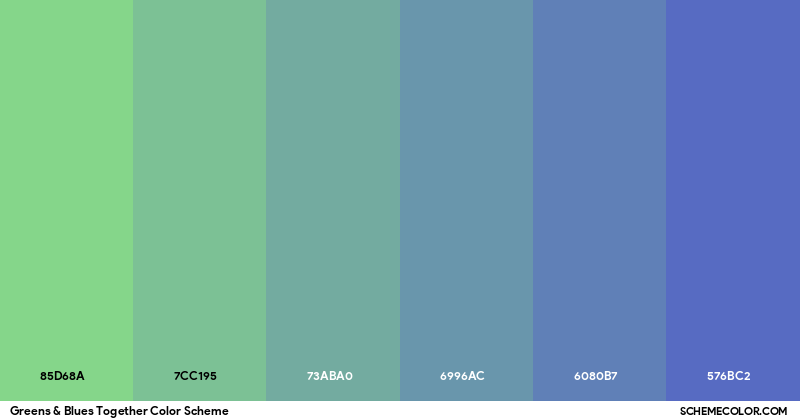
One of the strongest trends for 2026 is the use of green and blue hues on exteriors. These colors connect with California’s lush landscapes and ocean proximity. In particular, earthy greens are very popular. Think of greens inspired by plants and forests: olive, sage, moss, and even deeper pine or forest shades. These “grounding” green tones are said to bring the outdoors in. A color expert quoted in a home design publication calls them “muddy greens,” the deepest earth tone, which is “staking its claim as one of the top colors this year.” This includes greige-olive mixes and dusty pine greens that are rich but not flashy. A mossy green or blue-green paint looks at home next to landscaping or wood elements.
Similarly, soft blues and teal-inspired tones are gaining traction. Fresh coastal blues, such as slate blue or seafoam green, give a home a modern look. For example, designers have noted that Bay Area homes have embraced light blue-green, coastal-inspired tones to add brightness and a relaxed vibe. Even in Silicon Valley’s South Bay, accents in light blue can echo the nearby sky and water. Blue is a calming choice for exteriors, and deeper navy or indigo can also play the role of an accent color, as mentioned earlier.
Greens and blues often look best with white or cream trim to keep the contrast clean. For instance, a sage-green house siding with crisp white trim and natural wood details blends well with a lush yard. In summary, 2026 exterior palettes will likely include green and blue tones ranging from muted earthy sage to cool ocean blues. These shades are versatile: soft ones add a gentle color to your facade, while darker shades can create a striking, sophisticated look.
Classic Whites and Soft Creams
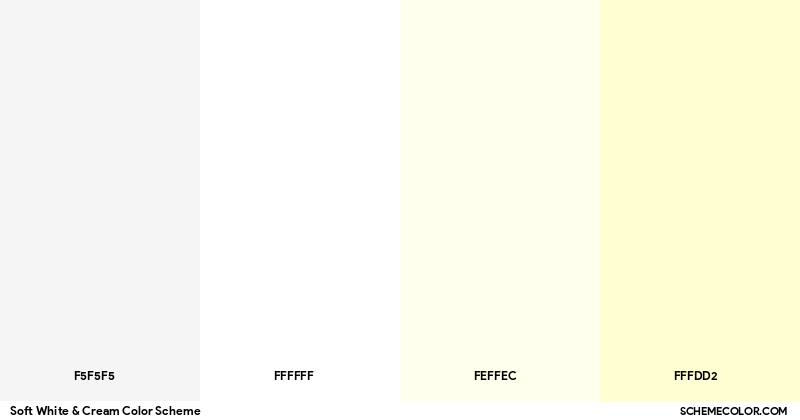
White and off-white continue to be enduring choices, especially in Southern California sunshine. A pure white exterior gives an instantly fresh and clean appearance, and off-white or cream tones offer warmth. In 2026, these whites are not the sterile Alpine variety but often lean creamy or warm. Such colors pair well with clay tile roofs and wood accents common in the region’s Spanish and ranch-style homes.
According to industry surveys, classic whites remain among the trending options for resale value because they are safe and universally appealing. For example, “classic whites” are consistently listed as part of the top trends for 2026. Warm cream hues can also double as neutrals when paired with bolder trim or accent walls. Think of a house painted in a soft cream or light buttery tone. These soften the appearance of the house and make it feel inviting. As highlighted by design sources, even in vibrant color palettes, warm creams and off-whites appear as one of the top trending shades for 2026.
For South Bay’s bright environment, these soft white shades reflect light, which helps to keep homes cooler on hot days. When selecting white tones, consider undertones: some whites have a green or gray base, while others are beige or yellow-based. A warm, yellow-tinged white can complement wood and brick features. In contrast, a blue-based white looks crisper but can seem cooler in tone. Homeowners should view samples outside on their actual house in different light before deciding. Overall, a creamy white or light neutral remains a popular and timeless starting point for an exterior in 2026.
Bold Accents and Contrasts

While much of the exterior palette is subdued, one trend is definitely toward bolder accents. After years of neutral facades, 2026 encourages color pops in strategic places. Popular accent colors include mustard yellow, terracotta orange, navy blue, and charcoal or black. These accent colors are typically used on front doors, shutters, trim, or even entire feature walls, rather than covering the whole house.
For example, design blogs suggest painting a slate-gray house with a bright mustard yellow door, or adding navy blue to the porch ceiling of an off-white home. This kind of contrast draws the eye and gives character. Other trend-watchers show examples like a black-painted exterior combined with a bright red front door, or a deep navy home with sunny yellow shutters. These vivid accents show that 2026 is a year for bringing energy and personality to the exterior paint without committing to an all-over loud color.
Even darker neutrals can serve as an accent. Charcoal gray or black trim around windows, railings, or as an entryway feature is increasingly popular, giving a modern edge. These moody colors provide a pleasing contrast to light walls and can tie in metal or stone elements. If choosing a bold accent, balance it with complementary neutrals so that the overall look is unified. The key is harmonious pairing: neutral bases with colorful accents, or vice versa.
Ultimately, accent colors let each homeowner inject their own style. A little yellow or teal in just the right spot can dramatically boost curb appeal. Just remember to test any very bright or dark color against sunlight at different times of day.
Choosing the Right Color for California Homes
Choosing an exterior color depends a lot on the home’s style and surroundings. California’s South Bay features a mix of architecture, from Spanish stucco and Craftsman bungalows to modern glass-and-steel buildings. Each style has colors that match it. For example, Craftsman and bungalow homes look natural with earthy greens, warm neutrals, or rustic reds. These tones highlight wood trim and stone foundations. In contrast, a sleek contemporary home might embrace clean white or soft gray walls with dark blue or black accents for a minimalist look.
The environment also guides color choice. In neighborhoods with many trees and plants, earth tones help a house blend with the greenery. Coastal areas can support brighter shades; a light aqua-blue or crisp white can reflect the ocean influence. In hotter, sunnier spots, lighter colors will reflect heat, while cooler, shaded or temperate valleys might allow for deeper colors on exteriors. Climate matters, as lighter colors help keep homes cooler by reflecting heat.
Homeowners should also consider neighborhood context. Many Bay Area communities have established color palettes, and very bright homes might clash in a street of muted tones. It’s wise to pick a color that stands out gently, not jarringly. Trends aside, it’s most important to choose a hue that feels right for the location and style of the property. Consulting with a local painting contractor can ensure the color both follows 2026 trends and fits the Southern California climate and architecture.
Finishes and Maintenance
Once the color is chosen, the type of paint and finish matter. Exterior paints come in various sheens from flat to high gloss. For 2026, paint professionals typically recommend a satin or semi-gloss finish on exterior walls and trims. These finishes resist dirt and moisture better than flat paint, and they are easier to clean or hose off when needed. A satin finish gives a slight sheen but still hides imperfections better than high gloss. Trim elements like doors or railings often get semi-gloss for extra durability and a crisper look.
Quality is also important in the paint formula. California’s sun and occasional rain mean exterior paint must withstand fading and mildew. Using high-quality acrylic paints formulated for exteriors can extend the life of the finish. Proper preparation is key too: surfaces should be cleaned, repaired, and primed before painting. This not only makes the color look its best but also means the fresh paint will last longer.
For property managers or large buildings, the same color trends apply. Commercial exteriors often use neutral bases with one or two brand-appropriate accent colors. Durability is crucial in commercial work; professionals may suggest elastomeric or weather-resistant paints for large surfaces. But in terms of color direction, a property manager could still follow the same palette of warm neutrals, earthy greens, or classic whites, maybe with a corporate logo color as an accent.
Final Thoughts
Exterior painting in 2026 is all about balancing timeless appeal with a touch of personality. Homeowners in the South Bay and surrounding California communities can refresh their properties with the era’s popular warm neutrals, earthy greens, and soft blues, accenting them with a bold pop of color. These palettes not only look current, but they also suit the local climate and architectural styles. By selecting the right shades and finishes, any home or commercial building can achieve a modern, inviting curb appeal that will last for years.
For a perfect, professional finish, consider contacting the experts at Stephen Radl Painting. Their team can guide you through the latest color trends, recommend the best exterior coatings, and ensure a high-quality application. Get a fresh look for your property in 2026 – reach out to Stephen Radl Painting for a consultation today and start your painting project with confidence.
FAQs
What are the exterior design trends for 2026?
Exterior design in 2026 is strongly influenced by nature and a desire for spaces that feel grounded and enduring. Designers are favoring colors and finishes that connect homes to their surroundings rather than making them feel stark or overly modern. Earth-inspired hues, layered neutrals, and deeper tones are commonly used to add depth and character to exteriors. There is also a noticeable preference for finishes that look softer and more natural, giving homes a refined appearance without excessive shine. Overall, the focus is on creating exteriors that feel timeless, balanced, and visually calm while still offering a modern edge.
What color of the year is 2026?
The color of the year for 2026 varies by organization and reflects different creative perspectives. Some color authorities have highlighted a soft, airy white meant to represent calm, clarity, and fresh beginnings, signaling a move toward simplicity and lightness. Others have selected a blue-green tone inspired by the sea and sky, symbolizing balance, resilience, and a connection to nature. Together, these choices reflect a broader theme for 2026 centered on serenity, emotional well-being, and a renewed sense of grounding in both personal and shared spaces.
What is Benjamin Moore’s 2026 color of the year?
Benjamin Moore’s 2026 color of the year is a deep, refined shade that blends rich espresso tones with subtle charcoal undertones. The color is designed to feel classic yet contemporary, drawing inspiration from tailored fabrics and timeless design elements. It brings a sense of sophistication and warmth to spaces while remaining versatile enough to work across a range of architectural styles. This selection reflects an emphasis on depth, elegance, and colors that age gracefully over time.