How Do You Choose the Right Front Door Paint for Your Home?
When I meet new clients, the first thing I usually say is, “Your front door is the personality of your home.” As a professional painter, I’ve painted hundreds of doors, and I can tell you that the right front door paint can completely change the look of your house. It’s not just about picking a pretty color; it’s about making a statement that welcomes guests, complements your home’s style, and lasts through weather changes.
I often see homeowners overwhelmed by front door colors. Should it be bold or neutral? Bright or dark? I’m here to walk you through the process step by step, sharing my experience and giving you practical tips so you feel confident about choosing the perfect front door paint.
Understanding Your Home’s Style
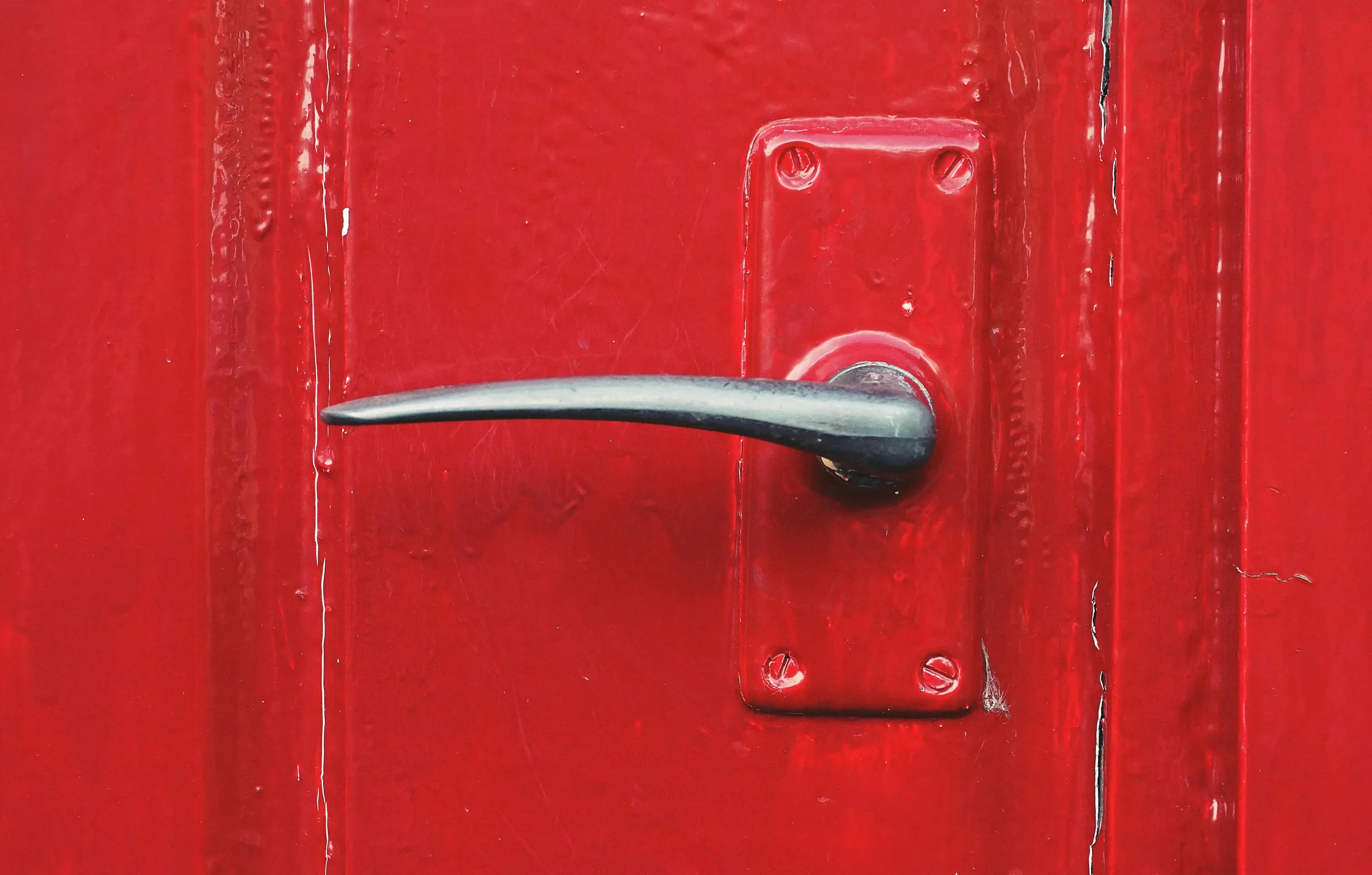
Before choosing front door paint, you need to think about your home’s style. Not all front door colors work for every type of architecture.
Design experts agree that the door should work in harmony with the surrounding materials. The Paint & Paper Library article “Choosing Colours for Front Doors” explains that your front door is the first introduction to your design style and can either make a bold statement or create a subtle, sophisticated look. The article emphasizes considering surrounding brickwork, stone, and exterior finishes before selecting a front door color, recommending complementary shades that sit comfortably alongside masonry, render, and architectural details. In my experience as a professional painter, this step alone prevents most color regrets.
Traditional vs. Modern Homes
For traditional homes, classic colors like deep reds, navy blues, or black usually fit best. They add elegance without clashing with the exterior. For modern homes, I often recommend brighter colors or unusual shades like teal, mustard, or even charcoal with a hint of metallic finish. It’s about complementing the lines and materials of your home.
Matching the Front Door to Architectural Elements
Your door doesn’t exist in isolation. The style of windows, shutters, and even the roof color all affect what will look good. I always step back and view the whole house from the street before deciding on a front door color. Sometimes a color looks perfect up close but disappears when viewed from a distance. That’s why I often create color swatches on a poster board and place them near the door to see how sunlight hits at different times of the day.
Considering the Exterior Color Scheme
Your front door color must coordinate with the rest of your home. I always ask homeowners to consider siding, roof, and trim colors.
Coordinating With Siding and Trim
If your house has light-colored siding, a dark front door can create a striking contrast. Dark siding often looks better with a lighter door. This contrast draws the eye naturally and makes the entrance inviting.
Complementary vs. Contrasting Colors
Complementary colors create harmony, while contrasting colors create a bold focal point. Both work if chosen thoughtfully. I usually suggest homeowners make a decision based on whether they want their door to blend or stand out.
Choosing the Right Door Paint Type
Choosing front door paint isn’t just about color; it’s also about type. I see a lot of DIY projects fail because people use the wrong kind of paint.
Oil-Based vs. Water-Based Paints
Oil-Based Paint: Durable, smooth, and glossy. Great for metal doors or doors that get heavy use.
Water-Based Paint (Latex): Easier cleanup, faster drying, flexible. Good for wood doors that expand and contract with temperature.
I usually choose water-based paints for most homes because they are easier to maintain and don’t yellow over time.
Finishes: Glossy, Semi-Gloss, Matte
High-Gloss: Eye-catching and durable, but shows imperfections.
Semi-Gloss: My go-to choice for most doors. Reflects light without highlighting dents.
Matte: Stylish but harder to clean and less durable outdoors.
Weather and Durability Factors
When choosing front door paint, you have to consider the weather. I can’t tell you how many times I’ve seen doors peeling or fading simply because the paint wasn’t suited for the climate. Sun, rain, snow, and humidity all affect how long your door paint lasts.
For example, if your home gets full sun most of the day, bright or dark colors tend to fade faster. I often recommend using UV-resistant door paint in these cases, which keeps colors vibrant for years. For doors exposed to rain or humidity, a high-quality exterior paint with water resistance is key. Primer is also essential, as it ensures that the paint adheres well and prevents peeling and cracking.
Preparing the door properly before painting is just as important as picking the color. Sanding, cleaning, and applying a primer may seem like extra steps, but trust me ,they make a huge difference in how long your front door paint lasts. I always tell clients that spending a little extra time upfront saves money and frustration down the road.
DIY or Professional Painting?
This is one of the most common questions I get: Should homeowners paint the door themselves or hire a professional?
If you’re a DIY enthusiast with patience and the right tools, painting a door yourself is definitely doable. But even with the best front door paint, a poor application can ruin the look. Here are a few tips if you decide to go DIY:
Tools: High-quality brushes or foam rollers are essential.
Preparation: Remove hardware, sand the door, and clean thoroughly.
Technique: Thin, even coats work better than one thick coat.
I usually recommend professional painting for doors with intricate details, metal doors, or when the door is in direct sunlight and needs a durable, long-lasting finish. As someone who does this for a living, I can usually get a smoother, more even result in less time, with paint that lasts longer.
Final Tips for Choosing Front Door Paint
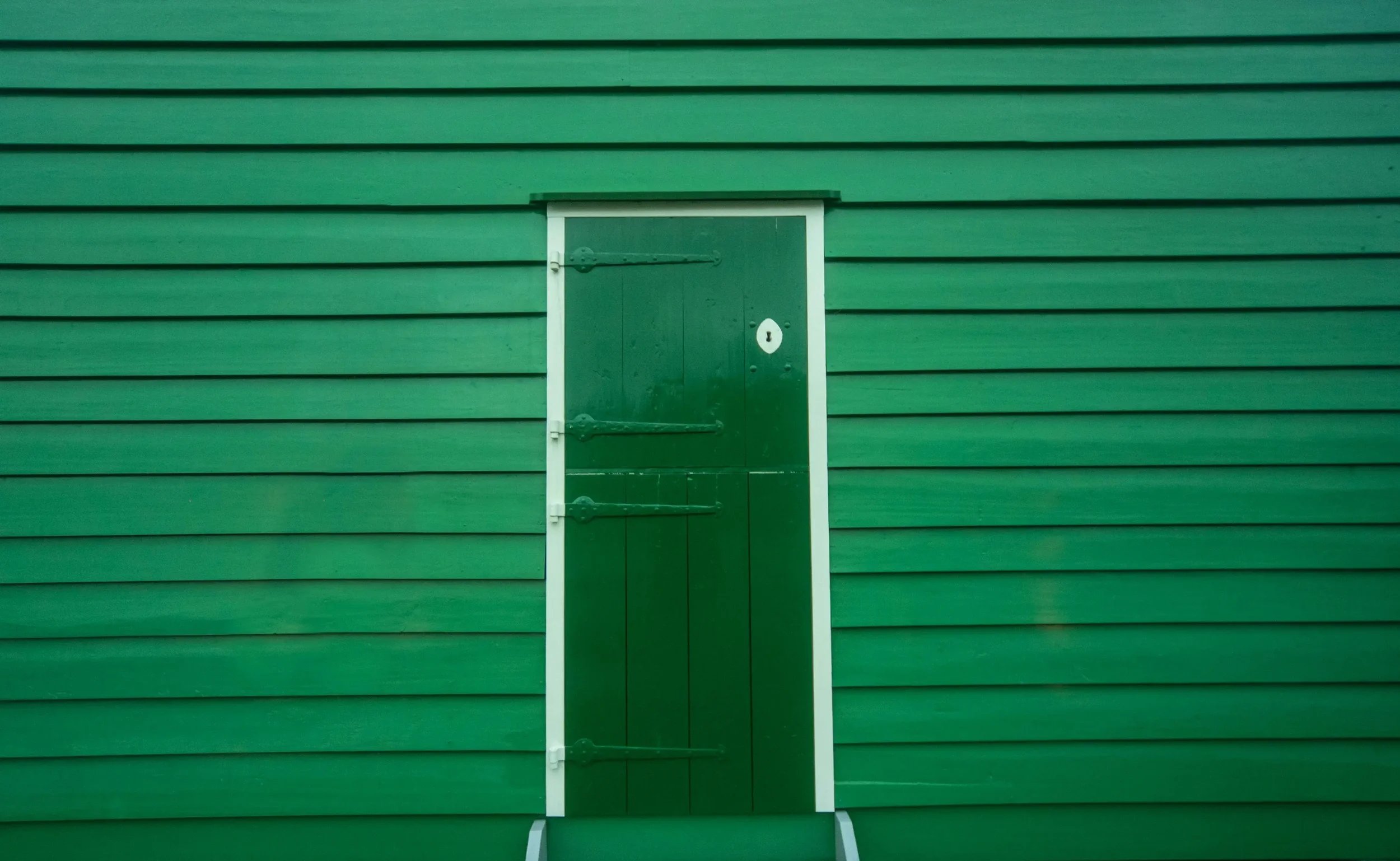
When I guide clients, I always circle back to these key points:
Match your home’s style: Consider architecture and exterior colors.
Pick a durable paint: Use quality door paint suited for your climate.
Show your personality: Don’t be afraid to experiment with color.
Prep properly: Clean, sand, and prime for long-lasting results.
Think about maintenance: a fresh-looking door is worth a little upkeep.
Remember, your front door is the first thing people see, so choosing the right paint is more than just an aesthetic choice; it’s an investment in your home’s look and value.
If you’re ready to give your front door a fresh, eye-catching look, I’d love to help. At Stephen Radl Painting, we specialize in professional door painting that makes your home stand out. With years of experience, I can guide you through color choices, prep, and professional application so your entrance not only looks great but also lasts for years. Contact Stephen Radl Painting today, and let’s make your front door the standout feature of your home!
FAQs
How to choose paint for front door?
Choose paint that matches your home’s exterior, is weather-resistant, and reflects your personal style. Test swatches in natural light before committing.
Should the front door be lighter or darker than the house?
Generally, a contrasting color works best. Light siding pairs well with a darker door, and dark siding often looks best with a lighter door.
What color should I paint my front door according to feng shui?
Red attracts energy, blue brings calm, green symbolizes growth, and black represents stability. Pick a color that feels right for your home’s energy.
Should the front door be the same color as the trim?
Not necessarily. The door can either match the trim for a cohesive look or contrast for a bold statement. Both options work if chosen thoughtfully.
What are common front door painting mistakes?
Skipping prep work, using the wrong paint type, painting in poor weather conditions, and neglecting maintenance are the top mistakes I see.