How to Paint Kitchen Cabinets: A Step-by-Step Guide From a Pro
If you’ve been staring at your kitchen cabinets and thinking, “These are solid, but they just look tired,” you’re not alone. I’m a professional painting contractor, and painting kitchen cabinets is one of the most common conversations I have with future clients. It’s also one of the most misunderstood projects homeowners take on.
I’ve painted hundreds of cabinets over the years. I’ve fixed DIY jobs that went wrong. I’ve also helped homeowners save thousands by doing this project the right way the first time. So let me walk you through how to paint kitchen cabinets the way I would explain it to someone standing in their own kitchen with a cup of coffee, trying to decide if this project makes sense.
This won’t be technical or stiff. Just real advice, real steps, and real expectations from someone who does this work for a living.
Why Painting Kitchen Cabinets Is So Popular
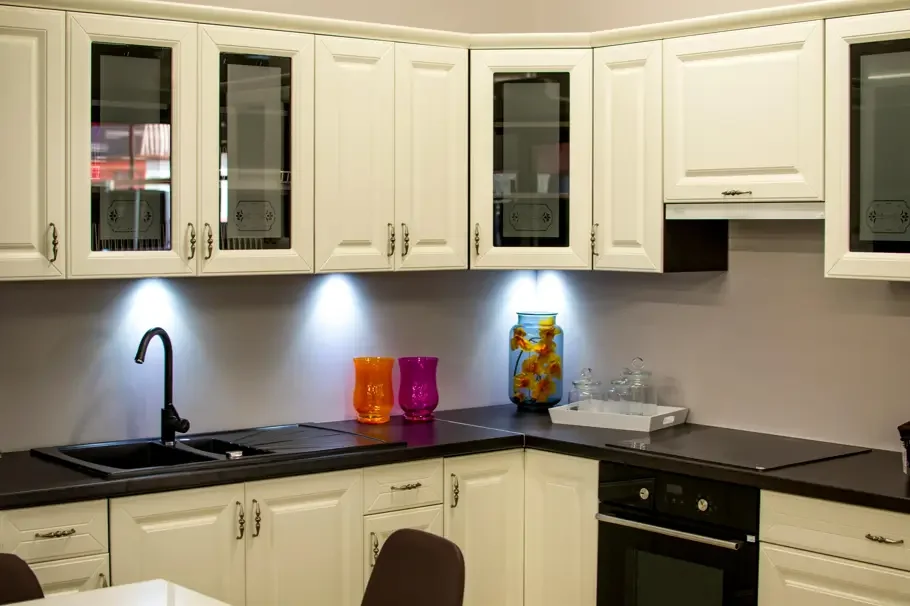
Replacing cabinets is expensive. Painting them isn’t. That’s the main reason most people call me. If your cabinets are structurally sound, painting them can change the entire feel of your kitchen without tearing anything out.
I’ve worked in kitchens that looked dated, dark, and cramped. A fresh cabinet paint job made them feel brighter and cleaner almost overnight. It’s also one of the smartest updates you can make if you’re thinking about resale.
Painting cabinets also opens the door to modern interior paint color ideas. Whites, warm off-whites, soft greens, muted blues, and even two-tone kitchens are all popular right now. The cabinets set the tone for everything else in the space.
That said, cabinets are not walls. Painting them the wrong way leads to peeling, brush marks, and sticky doors. That’s why knowing the process matters.
This isn’t just contractor experience talking; it’s backed by well-established guidance in the industry. In The Spruce article “How to Paint Kitchen Cabinets Like a Pro in 10 Easy Steps,” home improvement expert Lee Wallender explains that long-lasting cabinet finishes depend on thorough cleaning, sanding, and proper priming, not shortcuts. The article notes that most DIY cabinet painting projects take three to four days, typically cost $200–$500, and require cabinet-grade paints applied in thin coats with sanding between layers to prevent peeling or chipping, reinforcing why preparation and patience are what make cabinet painting a cost-effective alternative to full replacement
Step One: Decide If Your Cabinets Are Good Candidates
Before I talk about tools, paint, or colors, I always tell homeowners to slow down and look closely at the cabinets they already have. Painting works best when the foundation is solid. Paint can refresh how cabinets look, but it won’t fix structural problems.
Painted cabinets hold up best when:
The cabinet boxes are solid wood or MDF
The doors are flat or have light detail
The hinges and hardware still function well
One question I hear all the time is, can you paint laminate cabinets? The answer is yes, but with a warning. Laminate doesn’t absorb paint like wood does, which means prep is critical. If sanding or primer is skipped, peeling will happen quickly. I’ve painted laminate cabinets successfully many times, but only by using proper sanding methods, a bonding primer, and patience between coats.
If cabinets are warped, swollen from water damage, or falling apart, paint won’t save them. In those situations, I’m upfront with clients and let them know their money is better spent on repair or replacement instead of paint.
Step Two: Remove Doors, Drawers, and Hardware
This is where many DIY cabinet projects start going sideways. Painting cabinets without removing doors almost always leads to drips, missed edges, and uneven coverage. It may feel like a shortcut, but it usually creates more work later.
Every cabinet job I do starts with:
Removing all cabinet doors and drawers
Labeling each piece so it goes back in the same location
Removing hinges, knobs, and handles
Taking the time to label everything matters more than people think. It keeps doors aligned properly and avoids frustration during reassembly. Removing hardware also prevents paint buildup around hinges and handles, which can make cabinets look sloppy.
This step takes time, but it saves hours later and gives you a cleaner, more professional-looking finish instead of one that feels rushed.
Step Three: Cleaning Is Not Optional
Kitchen cabinets collect grease, oils, and residue over the years, even if they look clean. Paint will not stick to dirty surfaces, no matter what the label on the can promises.
Before sanding or priming, I scrub every surface using a strong degreasing cleaner. That includes:
Door fronts and backs
Drawer fronts
Cabinet frames
Areas around handles and edges
This step removes the invisible buildup that causes paint failure later. Skipping cleaning is one of the biggest mistakes I see. If painted cabinets start peeling or chipping within months, grease is often the reason.
Cleaning may not feel like progress, but it’s one of the most important steps in the entire process.
Step Four: Sanding (Yes, You Have to)
Sanding isn’t anyone’s favorite part, and I get that. But it’s necessary if you want paint to hold up over time.
The goal of sanding is not to strip cabinets down to bare wood. The goal is to:
Scuff the surface
Remove shine
Create grip for primer
For most cabinets, I start with a medium-grit sand to break the surface and follow with a finer grit to smooth things out. After sanding, everything gets vacuumed and wiped down so dust doesn’t interfere with primer.
This is also the stage where I repair dents, chips, or old hinge holes with filler. Taking care of these details now keeps them from standing out after paint is applied.
Step Five: Priming Makes or Breaks the Job
Primer is not a step to rush or skip. I’ve fixed plenty of cabinet jobs where homeowners relied on “paint and primer in one” products. Cabinets don’t respond well to shortcuts.
I choose primer based on the cabinet material:
Wood cabinets need a stain-blocking primer
Laminate cabinets need a bonding primer
Previously painted cabinets still need a solid base coat
Primer seals the surface and gives the finish paint something strong to grip. It also helps prevent stains or wood tones from bleeding through lighter colors.
If there’s one interior painting tip I always stress, it’s this: good primer makes the final paint look better and last longer.
Step Six: Choosing the Right Paint
This is where I often hear, what is the best method for painting kitchen cabinets? The method matters, but the paint itself matters just as much.
Cabinet paint needs to:
Dry hard
Resist scratches
Clean easily
Regular wall paint doesn’t hold up to daily use on cabinets. I use cabinet-grade paints made for trim and doors because they level better and cure stronger.
As for sheen, satin and semi-gloss are the most common choices. They’re easier to clean and don’t show wear as quickly. The right paint choice makes maintenance easier long after the project is finished.
Step Seven: Brush, Roll, or Spray?
Each application method has its place, and the best choice depends on experience and setup.
Brushing and rolling
More affordable
Slower
Easier for DIY projects
Spraying
Smoothest finish
Faster once set up
Requires experience and proper equipment
On most jobs, I spray the doors for a smooth, even finish and brush and roll the cabinet frames. This combination gives strong results without overspray issues.
If you’re painting cabinets yourself, patience matters. Thin coats applied slowly will always look better than thick coats applied too fast.
Step Eight: Dry Time and Reassembly
Paint can feel dry within hours, but cabinets need time to cure properly. I always remind clients that this stage matters just as much as painting itself.
I recommend:
Waiting at least 24–48 hours before reassembling
Handling doors gently for the first couple of weeks
Avoiding slamming doors or heavy cleaning early on
Once everything is back in place, the kitchen starts to feel refreshed and clean again. Giving the paint time to set helps ensure that the finish holds up to daily use.
How Much Does It Cost to Paint Kitchen Cabinets?

I get asked this on almost every estimate. How much does it cost to paint kitchen cabinets?
The answer depends on:
Number of doors and drawers
Cabinet material
Prep work needed
Paint quality
Labor method
On average, professional cabinet painting costs far less than replacement and delivers a huge visual upgrade. DIY costs less upfront but requires time, tools, and patience.
If you value your time and want a smooth, durable finish, hiring a professional is often worth it.
Is Painting Kitchen Cabinets a Good Idea?
In my experience, yes, when done correctly.
Painting cabinets:
Refreshes the kitchen without remodeling
Works with many interior paint color ideas
Adds value to the home
Costs less than replacement
The key is doing it right. Rushing or skipping steps leads to disappointment. Careful prep and the right materials make all the difference.
What I Wish Homeowners Knew Before Painting Cabinets
If I could sit down with every homeowner before they start, here’s what I’d tell them:
Cabinets take longer than walls
Prep is most of the work
Cheap paint shows flaws fast
Dry time matters
Patience pays off
Most cabinet failures aren’t from bad paint. They’re from cutting corners.
If you’re thinking about painting your kitchen cabinets and want results that last, I’m always happy to help. Whether you want professional service or honest advice before you start, reaching out early can save time, money, and stress.
A fresh cabinet finish can change how your kitchen feels every single day. Done right, it’s one of the best upgrades you can make.
FAQs
Can I just paint over my kitchen cabinets?
Short answer: you can, but you really shouldn’t. I’ve seen plenty of cabinets where someone skipped prep and just painted right over the old finish. Those jobs almost always fail. The paint starts peeling near the handles, chipping around the edges, and looking worn way sooner than it should.
Before any paint goes on, cabinets need proper prep. That means cleaning off grease and cooking residue, sanding to remove shine, and applying a quality primer. Kitchens collect more grime than people realize, and paint won’t stick to dirty or slick surfaces. Even cabinets that look clean usually aren’t.
If your cabinets are laminate, prep becomes even more important. Laminate is smooth and non-porous, so paint needs help bonding. With the right cleaning, sanding, and bonding primer, it can be done successfully. Skipping those steps is where problems start.
So yes, you can paint over cabinets, but only after doing the work that helps the paint last.
What is the best method for painting kitchen cabinets?
The best method is the one that balances durability, smoothness, and patience. From my experience, using paint made specifically for cabinets from a trusted brand makes a big difference. Cabinet paint dries harder than wall paint and holds up better to daily use.
For application, I like a combination approach. I use a high-quality brush on cabinet frames, especially where there are corners and edges. Natural bristle brushes work best for oil-based products, while synthetic brushes are better for water-based paints. For flat door and drawer surfaces, a roller helps keep things even, and brushes handle details and crevices.
Spraying is another option and gives a smooth finish, but it requires the right setup and control. No matter which method you choose, thin coats matter. Heavy coats cause drips, brush marks, and longer dry times.
Always allow each coat to dry fully based on the manufacturer’s instructions. Rushing this step is one of the most common reasons cabinets don’t turn out the way people expect.
Is painting kitchen cabinets a good idea?
In many cases, yes, it’s a smart and cost-effective upgrade. Painting kitchen cabinets is one of the quickest ways to refresh a kitchen without tearing everything out. It works especially well if your cabinets are structurally solid but just look dated or worn.
Painted cabinets give you flexibility with color and style, which pairs well with updated interior paint color ideas. You can go light to brighten the space or add contrast for a more modern look. Compared to full replacement, painting costs less and causes less disruption.
That said, painted cabinets do require proper prep and realistic expectations. They may need touch-ups over time, especially in high-use areas. Some cabinet materials also take paint better than others. When done correctly, though, painted cabinets can look great and last for years.
What I wish I knew before painting cabinets?
I wish I knew how much prep really mattered. Painting cabinets isn’t about how fast you can apply paint; it’s about how well you prepare. Sanding is not optional, and doing it thoroughly makes a noticeable difference in the final result.
I also wish I had practiced more before starting. Testing your primer and paint on a spare door or hidden surface helps you understand how it flows, levels, and dries. Watching paint as it dries is important because it often looks different after settling.
Another big lesson is to paint the backs of doors and drawers first. That way, you get comfortable before working on the most visible areas. Keeping spray or brush coats thin and building coverage slowly leads to a smoother finish and fewer mistakes.
Most cabinet painting issues come from rushing. Patience, prep, and practice make all the difference.