How to Choose the Perfect Kitchen and Bathroom Paint
Choosing the right paint for your kitchen and bathroom is more than just picking a color that looks nice. These spaces are among the most heavily used areas in any home, which means the wrong paint choice can impact durability, cleanliness, and even the overall mood of the space. For homeowners in the South Bay and surrounding California communities, selecting the best kitchen and bathroom paint requires careful consideration of color, finish, and formulation to ensure lasting beauty and functionality.
Whether you’re refreshing an outdated room, renovating a modern space, or simply looking to elevate your home’s interior, understanding the nuances of paint choices for kitchens and bathrooms can make the difference between a quick fix and a long-term solution.
Why Choosing the Right Paint Matters
Kitchens and bathrooms present unique challenges compared to living rooms or bedrooms. These areas are exposed to:
Moisture: Steam from showers or boiling water can cause paint to peel or blister if the wrong type is used.
Heat: Kitchens, in particular, experience fluctuations from ovens, stoves, and dishwashers, which can affect paint durability.
Frequent cleaning: Spills, splashes, and fingerprints demand paint that can be cleaned without losing its finish.
Using high-quality kitchen and bathroom paint designed for these conditions ensures your walls remain smooth, fresh, and resistant to mold or mildew. Beyond practicality, the right paint choice also helps set the tone of your space. Color influences mood, perception of space, and even appetite in the kitchen.
Understanding Paint Formulations
Not all paints are created equal. For kitchens and bathrooms, you want a formula specifically designed to withstand moisture, grease, and frequent cleaning. Here are some essential features to consider:
1. Moisture Resistance
Bathrooms are prone to high humidity, which can encourage mold and mildew growth. Look for paints labeled as mildew-resistant or those formulated with anti-microbial agents. These paints help maintain a clean, healthy environment while preventing discoloration or damage.
2. Washability
Kitchen walls are subject to grease splatters, food stains, and accidental spills. A paint that is washable and easy to clean will save time and effort, allowing you to maintain a fresh appearance without frequent repainting.
3. Durability
Durable paints help prevent chipping, peeling, and fading. For kitchens, where walls can be exposed to heat, splashes, and knocks from utensils or furniture, a high-quality enamel or semi-gloss paint provides long-lasting protection while maintaining aesthetic appeal.
4. Low VOC Options
For indoor spaces, especially where cooking and bathing occur, low-VOC (volatile organic compounds) paints are preferable. They reduce odors during application, improve air quality, and ensure a safer environment for family members.
Choosing the Right Finish
The finish of your paint is just as important as the color. In kitchens and bathrooms, the finish affects durability, ease of cleaning, and light reflection.
Semi-gloss: Offers a shiny surface that resists moisture and is easy to clean. Ideal for kitchens and high-moisture bathroom areas.
Satin: Provides a soft sheen and balances durability with a subtle finish. Perfect for walls where you want warmth without too much gloss.
Eggshell: Has a low-luster finish and works well in bathrooms with moderate moisture. Slightly easier to clean than flat paint.
Matte/Flat: Generally not recommended for kitchens or bathrooms, as moisture can cause flat paint to stain or peel.
By selecting the appropriate finish, you enhance your paint’s performance while complementing the overall design of your space.
Picking Colors for Kitchens and Bathrooms
The color of your walls has a significant impact on the ambiance of a room. It’s important to balance aesthetics with functionality when selecting kitchen and bathroom paint.
1. Lighter Colors for a Spacious Feel
In small kitchens or bathrooms, lighter tones can create the illusion of more space. Whites, soft creams, and pale grays reflect light, making the room feel open and airy.
For example, a crisp off-white in a bathroom pairs beautifully with marble countertops and chrome fixtures, while a soft gray in a kitchen complements stainless steel appliances.
2. Warm Tones for a Cozy Atmosphere
Warm colors, such as soft beiges, muted yellows, or light terra-cotta shades, can make kitchens feel inviting and intimate. These tones work especially well with natural wood cabinetry or stone countertops, creating a welcoming environment for cooking and gathering.
3. Cool Tones for Calm and Clean Spaces
Blues, greens, and even subtle teals are popular in 2026 as calming, restorative colors. Bathrooms benefit from these shades because they evoke a sense of cleanliness and relaxation. A pale sage green or light sky blue can make a bathroom feel spa-like and serene.
4. Bold Accents for Character
Accent walls, backsplash areas, or sections of cabinetry in darker shades like navy, charcoal, or deep olive can add depth and interest to your kitchen or bathroom. These bold choices are best paired with lighter walls to prevent the space from feeling closed in.
Coordinating with Cabinets, Countertops, and Fixtures
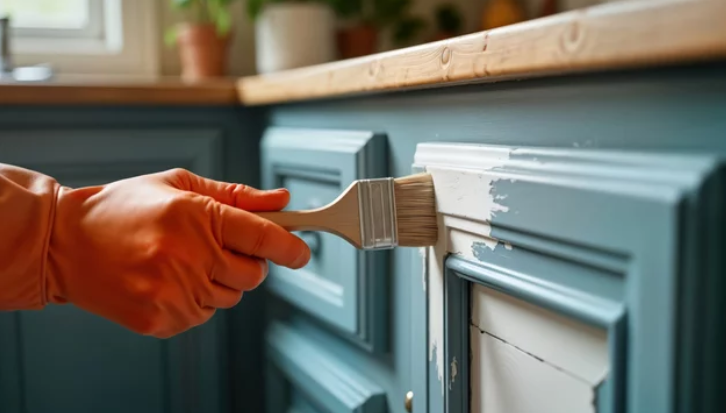
When choosing kitchen and bathroom paint, consider the existing materials and finishes in your space:
Cabinet Colors: White or light cabinets pair well with darker walls for contrast, while natural wood cabinets harmonize with warm neutral tones.
Countertops: Granite, quartz, or marble surfaces can guide your color selection. Light countertops often pair beautifully with muted wall colors, while darker stone may need lighter walls to balance the space.
Fixtures: Chrome, brushed nickel, and matte black fixtures can influence the overall color palette. Paint colors should enhance, not clash, with these metallic elements.
Color coordination ensures a cohesive look that highlights your home’s features while remaining timeless.
2026 Color Trends for Kitchens and Bathrooms
In 2026, homeowners are embracing a mix of neutral sophistication and soft, calming hues. Some trending shades include:
Soft Sage Green: Perfect for bathrooms, this color brings the outdoors in and promotes a tranquil environment.
Warm Taupe or Beige: Ideal for kitchens, these colors create warmth while complementing a variety of cabinet finishes.
Cool Gray: A versatile choice that pairs well with both light and dark cabinetry. Gray continues to dominate for its modern, timeless appeal.
Muted Blues and Teals: Light blues and teals offer a fresh, airy feel for bathrooms and kitchens alike.
Creamy Whites: A classic choice that reflects light and works with virtually any design style.
By keeping up with current trends while considering your home’s style, you can select a paint color that feels both modern and enduring.
The Role of Lighting
Lighting dramatically affects how paint colors appear in kitchens and bathrooms. Natural light, overhead fixtures, and task lighting all play a part in how a color reads on the wall.
Natural Light: North-facing rooms receive softer light, which can make colors appear cooler. South-facing rooms benefit from warm, direct sunlight that enhances warm tones.
Artificial Light: LED and incandescent lighting can change the perception of paint color. Warm LEDs tend to make colors feel cozier, while cool LEDs can make them appear sharper.
Before finalizing a paint choice, always test samples in the actual room at different times of the day. This ensures you achieve the desired look and feel.
Preparation and Application Tips
Proper surface preparation is critical for a lasting finish in high-moisture areas.
Clean Thoroughly: Remove grease, soap scum, and dirt. This ensures the paint adheres properly.
Repair Imperfections: Fill holes, sand rough areas, and patch cracks to create a smooth surface.
Prime the Surface: Priming helps prevent moisture absorption and ensures true color payoff.
Use Quality Brushes and Rollers: Invest in tools designed for smooth application, reducing streaks and imperfections.
Apply Multiple Coats: Two coats are generally recommended for durability and even coverage.
Following these steps ensures your kitchen or bathroom paint project will last for years and look professionally done.
Professional Advice
While DIY painting is possible, hiring a professional painting contractor can make a significant difference in the final result. Professionals bring:
Expertise in selecting the right kitchen and bathroom paint for your home.
Proper surface preparation and application techniques.
Knowledge of 2026 color trends and finishes that work best in high-moisture areas.
Consulting a local painting expert can save time, money, and potential frustration, ensuring a finish that’s both beautiful and durable.
Bring Style and Function to Your Home
Choosing the perfect kitchen and bathroom paint involves balancing aesthetics, functionality, and long-term durability. By selecting the right color, finish, and formulation, homeowners can transform these frequently used spaces into inviting, practical, and stylish areas.
In 2026, trends favor soft, calming tones, versatile neutrals, and accent colors that provide personality without overpowering the space. Paired with proper preparation, quality paint, and professional guidance, your kitchen or bathroom can achieve a fresh, lasting finish that enhances your home’s value and comfort.
For South Bay homeowners and property managers, trusting experts like Stephen Radl Painting ensures your paint choices are modern, durable, and perfectly executed. Their team can guide you through color selection, suggest finishes suited for moisture-prone areas, and deliver a professional application that stands the test of time.
Refresh your kitchen and bathroom today with the perfect color and finish, reach out to Stephen Radl Painting for a consultation and elevate your home with confidence.
FAQs
What paint finish is best for kitchens and bathrooms?
Semi-gloss and satin finishes are ideal because they resist moisture, are easy to clean, and provide a durable surface for high-traffic areas.
Can I use the same paint color for both kitchen and bathroom?
Yes, but consider lighting and moisture levels. Light, neutral colors often work well in both spaces, while accent shades may vary depending on room function.
How do I prevent mold and mildew on painted walls?
Use mildew-resistant paint, ensure proper ventilation, and wipe down walls regularly to prevent moisture buildup.
Should I hire a professional for kitchen and bathroom painting?
While DIY is possible, professional painters provide expertise, proper preparation, and a lasting finish, especially in moisture-prone areas.
What are the top color trends for 2026 in kitchens and bathrooms?
Soft sage green, warm taupe, cool gray, muted blues and teals, and creamy whites are among the most popular choices, blending modern appeal with timeless elegance.